Prix du Parc Astérix en 2024
Parc Astérix - Alors que vous entrez dans la saison 2024, vous venez de commencer avec la jetée! Profitez jusqu'au 4 novembre de certaines des attractions les plus populaires de la saison, comme le Pegasus Express.
Des stagiaires gaulois, des familles qui cultivent la saveur de l'aventure ou des Centuriones à la recherche d'émotions, les 32 attractions et les grands spectacles du Parc Astérix vous attendent! A l'entrée de l'imposante gare de Montparnoss, le Pegase Express est la nouvelle attraction du parc Astérix. C'est le plus gros investissement dans le parc depuis son ouverture en valeur de
16 millions d'euros. Cette nouvelle montagne russe offre un voyage passionnant autour du monde à bord d'un train de la Grèce antique. Au fil des courbes, des hauts et des bas bien vous avez affaire à de nombreux clins d'oeil humoristiques, qui se réfèrent à la mythologie, et c'est toujours à travers le monde de la bande dessinée Astérix que ça coûte cher! Au total, il y a 928 points de
jalonnage de voie de slalom et plus de 52 kilomètres par heure, qui sont en grande partie supportables pour toute la famille. L'attraction, près du cheval de Troie de la zone grecque, dure trois minutes et est ouverte aux enfants d'un mètre. Consultez les Parc Astérix prix 2024.
Quant à l'attrait de l'Icare-vol de la famille, il a été renouvelé avec l'installation de nouvelles pistes et de nouvelles voitures. Dans le village gaulois, les visiteurs peuvent trouver les personnages de dessins animés, notamment des lapins bourguignons sauvages, des poulets Brahma, des chèvres naines ... à l'Hôtel des Trois Hiboux, un nouveau restaurant ouvre ses portes aux 50
nouveaux chambres et le centre des congrès et des séminaires.
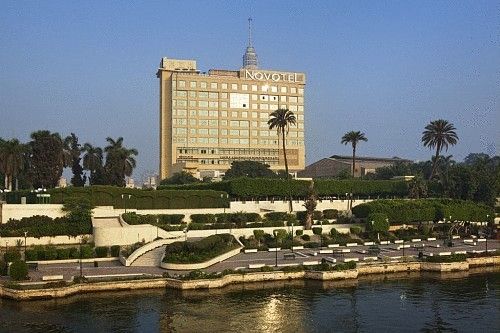
L'attraction Discobélix - Parc Astérix d'attractions 2024
Ils n'y sont pas tombés quand ils étaient petits, pour passer une journée en signe de bonne humeur au Parc Astérix. A une trentaine de kilomètres de Paris, ce n'est pas un village, mais un parc de Gaules irréductibles, qui s'étend sur plus de 30 hectares. Depuis 1989, le parc d'attractions pour adultes et enfants est entièrement dédié au monde d'Astérix et Obélix. Il est vrai que l'humour des écrivains comiques Uderzo et Goscinny six mondes apparaissent pleins de luminosité folle dans le parc.La direction du Parc Astérix
Le parc Astérix est situé dans la ville de Plailly, à environ 30 km au nord de Paris. L'accès au parc est très facile pour prendre l'autoroute A1 entre les sorties 7 et 8 et venez rencontrer Asterix et Obélix et Idéfix.
Les personnages d'asterix et obelix
ASTERIX
Ceci est le personnage principal. Il est petit, parfois inquiet, mais très gentil. Il est très intelligent et veut toujours défendre son village et ses amis. Son intelligence et une petite potion lui permettent d'obtenir les résultats les plus incroyables! Il a remporté une médaille d'or aux Jeux olympiques, s'est emparé de la couronne de César et a achevé 12 travaux (comme Hercules)!
OBELIX
C'est l'autre personnage principal, le meilleur ami d'Astérix, avec qui il passe le plus clair de son temps. Il est le seul Gaulois à ne pas avoir droit à la potion parce qu'il est tombé quand il était petit. Il est très grand et très fort et porte des menhirs sur le dos seul. Mange de gros sangliers (comme les autres Gaulois), mais il en prend au moins deux (et en entier) !! Il est très gentil et généreux, mais aussi timide et maladroit, à moins que les Romains n'attaquent ...
Idefix
C'est le petit chien Obélix, son plus fidèle compagnon (après Astérix) qui le suit partout. Il aime creuser la terre pour collecter les os et aide souvent les Gaulois à résoudre leurs problèmes. C'est aussi un écologiste qui ne prétend pas que nous blessons les arbres et veut protéger la nature tout le temps.
falbala
C'est la plus belle des Gauloises, pour laquelle Obélix s'effondre de 300%! Avec ses longs cheveux blonds et ses jolis vêtements, il laisse rêver tous les villageois. Même Astérix, peu connu pour ses rapports avec le féminin, ne reste pas indifférent ...
Abraracourcix
Il est le chef du village défendant l'honneur de ses habitants, même avant toute la Gaule. Il va sur un bouclier (celui de Vercingetorige), qui est tenu par deux porteurs. En plus, il ne se lève pas toujours et nous fait beaucoup rire quand il tombe. Il est marié à Bonnemine, qui adore poignarder ses porteurs pour faire du shopping.
Agecanonix
Il est le plus vieux habitant du village, le doyen. Il se bat encore contre les Romains après avoir avalé sa potion et avoir pris une forme presque olympique. Il est marié à Mme Agecanonix (elle n'a jamais été nommée par des dessinateurs) et l'aime beaucoup: il s'occupe de l'achat et du nettoyage et interdit à quiconque de l'approcher!
Assurancetourix
C'est le barde du village, le chanteur et le joueur de lyre (comme une mini-harpe). Sa voix est connue de tous et surtout détestée car il pleut tellement que c'est mauvais. Il n'est pas rare de le voir bâillonné lors de fêtes car les autres Gaulois ne veulent pas l'entendre! Pour faire de la musique douce, il vit dans une cabane sur un arbre, loin du reste du village.
Bien paraître
Elle est l'épouse d'Abraracourcix, le chef du village. C'est petit et assez rond et souvent avec un rouleau à la main. De plus, elle n'hésite pas à s'en servir pour battre son mari quand elle le gêne. C'est une petite femme autoritaire qui ne baisse pas les pieds et qui sait gérer le village quand les choses tournent mal.
Cétautomatix
Il est le forgeron du village, le très puissant gallicien qui travaille le métal. À tel point qu'il aime utiliser ses muscles pour battre les autres lors des combats généraux. Il se dispute également beaucoup avec son voisin, le poissonnier Ordralfabétix, à qui il attribue le manque de fraîcheur de son poisson.
Iélosubmarine
Elle est la femme du poissonnier Ordralfabétix. Elle se consacre pleinement à elle et reste généralement assez discrète. Lorsqu'elle décide de parler, elle gronde alors qu'elle se dispute souvent avec son mari. À ce moment, elle crie: "Maintenant, vendez tout vous-même, votre poisson n'est pas frais!"
Madame Agecanonix
Comme son nom l'indique, elle est l'épouse de l'aîné du village. C'est une sorte de citoyen du village. Elle est toujours très bien habillée et la seule femme à ne jamais faire le ménage. Elle est très amoureuse de son mari et très jalouse. les autres femmes ne sont pas intéressées à toucher son "Agecanonichou".